
Building Peer Friendships for Autistic Children
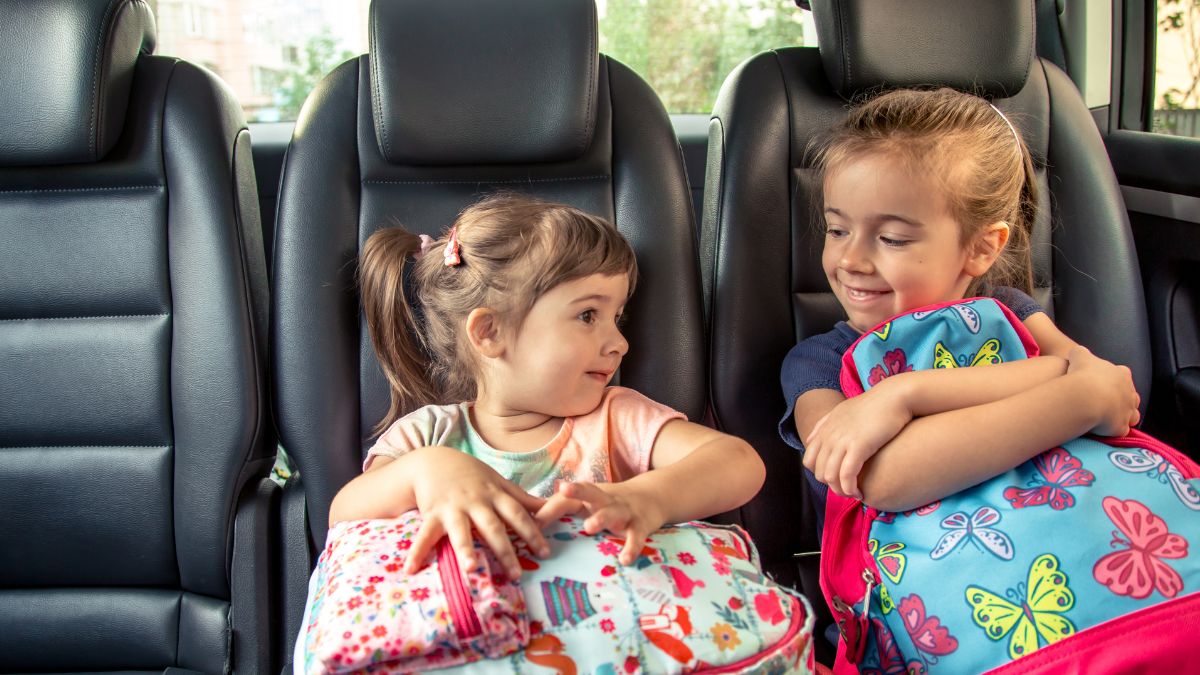
Every parent wants their child to have friends. That first playdate that goes well, the classmate who saves a seat at lunch, the birthday invitation that arrives in the mail. These moments feel small from the outside, but for families raising autistic children, they can carry an enormous amount of meaning.
Friendship development does not always come naturally for autistic children, and that is not a reflection of their worth or their desire to connect. Many autistic children genuinely want friends. They want to belong, to be understood, and to share the things they love with someone who cares. The challenge is that the unwritten rules of social interaction can be genuinely difficult to navigate without explicit support.
Applied Behavior Analysis offers a thoughtful, evidence-based path toward building the social skills autistic children need to form and maintain real peer friendships. It is not about making a child appear more neurotypical. It is about giving them the tools to connect with others in ways that feel meaningful and authentic to who they are.
Why Friendship Can Be Challenging for Autistic Children
Social interaction involves a constant, rapid exchange of information. Facial expressions, body language, tone of voice, timing, humor, and context all layer on top of the words being spoken. For neurotypical children, much of this processing happens automatically. For autistic children, it often requires conscious effort and explicit learning.
Some of the most common friendship challenges for autistic children include:
- Difficulty starting or joining conversations
- Trouble reading social cues like facial expressions or personal space
- Challenges with back-and-forth conversation and turn-taking in play
- A strong preference for specific topics that can be hard to share with peers
- Difficulty managing the frustration or unpredictability that comes with group play
- Sensory sensitivities that make busy or noisy social settings feel overwhelming
None of these challenges are permanent. With the right support, autistic children can and do develop meaningful friendships. It simply takes a more intentional approach than it might for their neurotypical peers.
How ABA Builds Social Skills Step by Step
One of the things that makes ABA particularly effective for social skills development is the way it breaks complex interactions down into clear, teachable steps. Rather than telling a child to “just go make friends,” ABA identifies exactly which skills need to be built and works on them one at a time.
Early social skills work might focus on foundational building blocks like making eye contact, responding to their name, or imitating a peer’s actions during play. As those skills become comfortable, therapy progresses to more nuanced goals like initiating a conversation, giving a compliment, or recovering from a misunderstanding without becoming overwhelmed.
Each skill is introduced with modeling, practiced with guidance, reinforced positively, and then gradually faded so the child learns to use it independently. This structured approach gives autistic children a genuine foundation to build on rather than leaving them to figure out complex social rules without support.
The Power of Structured Peer Interaction
Learning social skills in isolation is only the first step. For those skills to become real, children need opportunities for actual peer interaction in supportive, structured settings. ABA therapy often incorporates guided social activities specifically designed to make these interactions successful.
Structured peer interaction might look like small group play sessions with clear rules and adult support, cooperative games that require teamwork, or supervised activities that naturally encourage sharing and communication. The goal is to create conditions where positive social experiences are likely to happen, because success breeds confidence and confidence breeds more attempts.
Over time, as a child gains confidence and competence, the level of structure can be reduced and opportunities for more natural, spontaneous peer interaction can increase. This gradual progression mirrors the way social development happens in all children, just with more intentional scaffolding along the way.
Teaching Emotional Skills That Support Friendship
Friendships are not just about conversation skills. They also require emotional awareness, flexibility, and the ability to repair a relationship when something goes wrong. For autistic children, these emotional dimensions of friendship can be just as challenging as the social ones.
ABA addresses this by teaching children to identify and express their own emotions, recognize how others might be feeling, and respond in ways that keep a friendship intact. Children learn what to do when a game does not go their way, how to apologize sincerely, and how to tell a friend when something has upset them without shutting down or lashing out.
These skills do not just improve friendships. They improve a child’s overall quality of life by giving them more tools to navigate a world that can often feel confusing or unpredictable.
How Families Can Support Friendship Development at Home
Parents play a central role in helping their child build and maintain friendships. The skills learned during ABA sessions need to be practiced and reinforced in everyday life, and families are perfectly positioned to make that happen.
Some practical ways families can support their child’s social growth include:
- Arranging low-key, one-on-one playdates with a compatible peer
- Practicing conversation skills and role-playing social scenarios at home
- Enrolling a child in structured group activities built around a special interest
- Debriefing social experiences with empathy, focusing on what went well
- Staying in close communication with the therapy team about social goals
At Happy Strides ABA, we work directly with families to make sure the skills being built in therapy carry over into real-life social situations. Our team coaches parents on how to support friendship development in ways that feel natural and positive, not forced or clinical.
Every Child Deserves to Feel Connected
Friendship looks different for every child, and that is true for autistic children too. For some, a best friend means someone to share a specific interest with. For others, it means a familiar face who makes school feel less daunting. The shape of friendship matters far less than the feeling it creates: being seen, valued, and not alone.
With patient, thoughtful ABA support, autistic children can develop the social skills, confidence, and emotional tools they need to build friendships that genuinely enrich their lives. Progress may be gradual, but every small step forward is worth celebrating.
Let’s Help Your Child Take That First Step
If your child is struggling with peer relationships and you are ready to explore how ABA therapy can help, Happy Strides ABA is here for your family. We provide personalized, compassionate ABA therapy for children with autism across Colorado, and we would love to be part of your child’s journey.
Reach out to us today:
- Phone: 720-702-0272
- Email: info@happystridesaba.com
- Visit: happystridesaba.com
Because every child deserves to know what it feels like to have a friend.


 info@happystridesaba.com
 720-702-0272
 720-798-1080
 Happy Strides ABA CO LLC 100 Fillmore St 5th Floor Denver, CO 80206-4916
