
December 15, 2025
Autism and Sleep Issues: ABA Techniques That Reduce Bedtime Battles
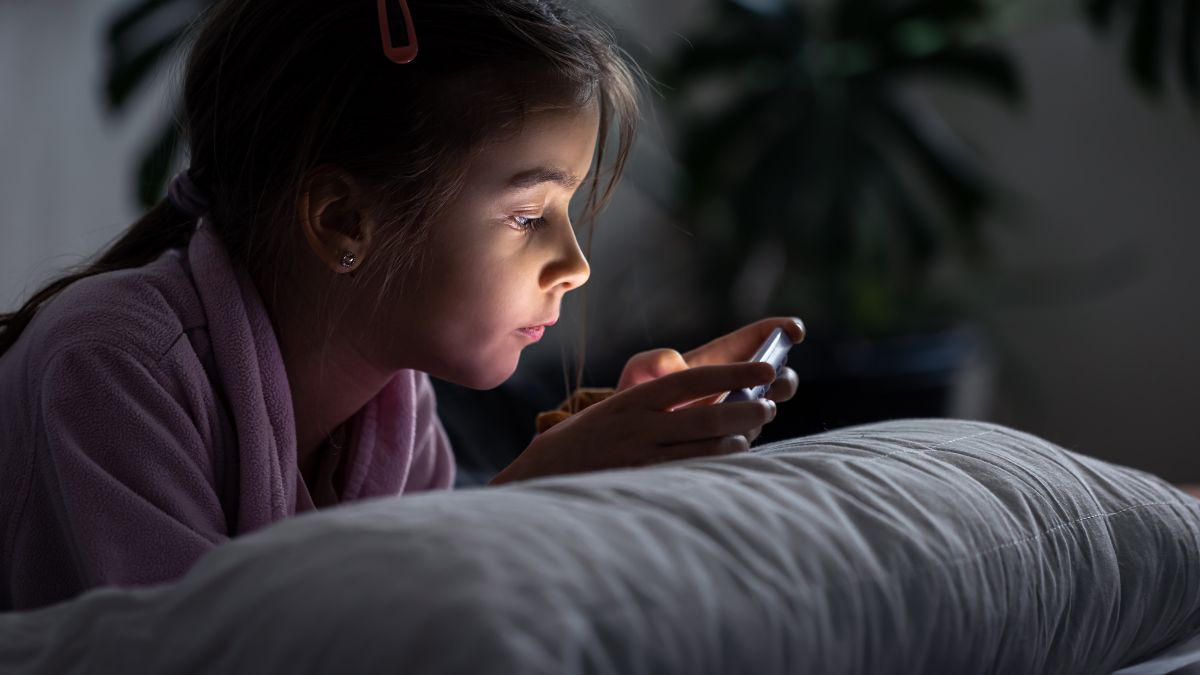
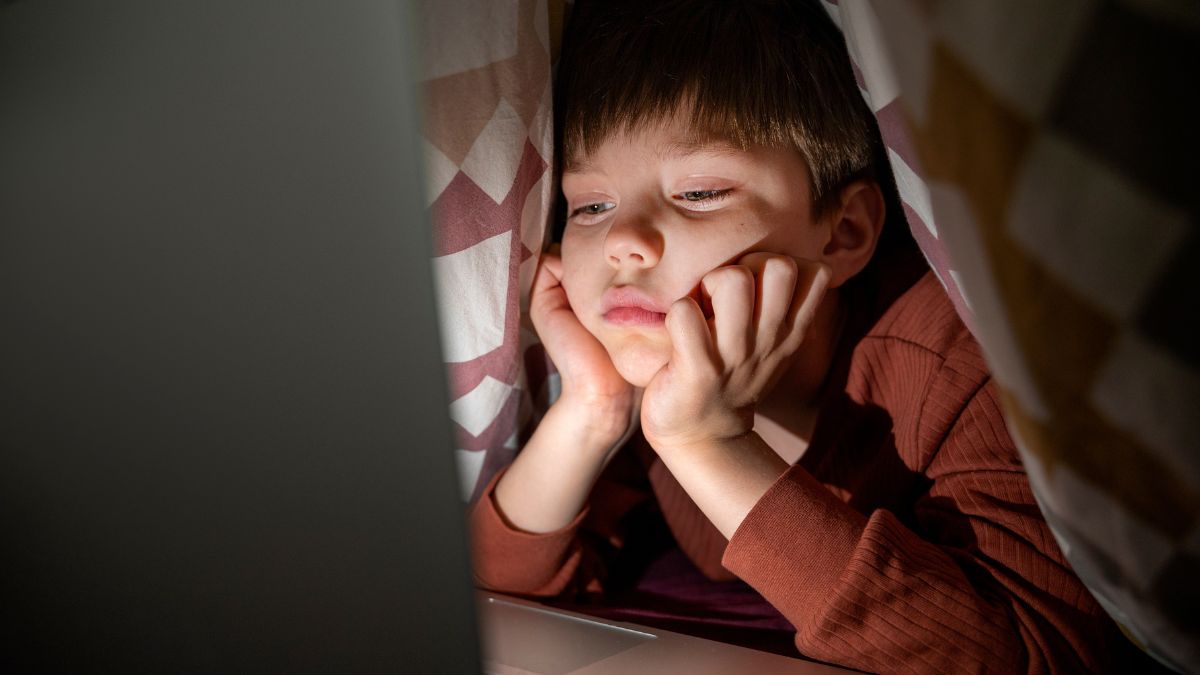
Sleep struggles are common in children with autism, often creating stress and frustration for families. Autism sleep problems can show up as difficulty falling asleep, frequent night waking, or short sleep duration. These challenges affect mood, focus, and daily functioning. The good news? Structured approaches can make bedtime calmer and more predictable. Applied Behavior Analysis (ABA) offers practical, evidence-based strategies that guide children toward better sleep habits while respecting their unique needs. In this guide, we’ll explore steps for creating a bedtime routine autism plan, implementing ABA sleep training, and addressing a night waking autistic child. You’ll discover actionable solutions that help your child rest easier and your family reclaim peaceful evenings.
Bedtime Routine Autism
Meet Jacob, a six-year-old with autism who struggles to sleep alone. Each night, he resists going to bed, cries, and leaves his room repeatedly. His parents decided to implement a structured bedtime routine autism. They started with a 15-minute bath, followed by 10 minutes of reading and five minutes of calm breathing exercises.
To support the routine, they used a visual chart on Jacob’s bedroom wall. Each step was represented with a clear picture, helping him understand what came next. ABA sleep training principles reinforced his participation. Completing each step earned him a sticker. Over two weeks, Jacob’s resistance decreased. He began falling asleep independently, and the crying reduced dramatically.
This example illustrates how consistent routines, visual supports, and positive reinforcement can ease bedtime struggles. It also highlights the power of making expectations clear while supporting independence.

Understanding Why Autism Sleep Problems Occur
Why do children with autism face such persistent sleep issues? The answer lies in a combination of biological, environmental, and behavioral factors. Research shows that sleep problems affect as many as 80% of children with autism (Alhwaiti, 2025).
Biological and Medical Factors
Melatonin Differences: Melatonin is a hormone that signals when the body should sleep. Some children with autism produce it differently, disrupting the natural sleep-wake cycle. This can make falling asleep more difficult.
Medical Comorbidities: Sometimes, sleep issues are linked to medical conditions like gastroesophageal reflux, sleep apnea, or nocturnal seizures. Consulting a pediatrician or sleep specialist is always a safe first step.
Environmental and Behavioral Factors
Sensory Sensitivity: Many children with autism experience heightened sensitivity to light, sound, and touch. A scratchy blanket, a faint noise, or a change in temperature can prevent relaxation.
Anxiety: Bedtime can trigger anxiety. Worry about the dark, separation from parents, or transitioning from daytime activities can delay sleep onset.
Inconsistent Routines: Irregular bedtimes, late-night screen time, or unpredictable schedules teach the body to resist sleep. Over time, this resistance becomes a learned pattern.
A 2015 study noted that 54% of children with ASD show bedtime resistance (Devnani & Hegde, 2015). Knowing the main challenge in your home helps tailor an effective approach.
The Power of ABA Sleep Training Techniques
ABA sleep training applies principles of learning to adjust behaviors and environments that interfere with sleep. It focuses on teaching children the skills for independent, restful sleep.
Visual Supports and Bedtime Routines
- A consistent routine acts as a beacon for children who feel anxious at night. Visual supports are crucial because they reduce reliance on verbal instructions. Complex directions can be overwhelming, but pictures make the routine predictable.
- Visual Schedules: A simple picture chart showing four to six steps, bath, pajamas, brush teeth, read a book, hug, lights out, helps children know what comes next. Predictable routines reduce anxiety and minimize resistance.
- Timers and Transition Cues: A visual timer for the final activity, like reading, makes “lights out” predictable. Children respond better to a timer than to sudden verbal commands.
Positive Reinforcement Systems
Rewarding desired behaviors encourages repetition. ABA emphasizes immediate, meaningful rewards to increase compliance.
| Target Behavior | Small Reward | Cumulative Reward |
| Completing the bath | Verbal praise or token | Favorite breakfast the next morning |
| Staying in bed first 15 minutes | Parent check-in or token | New book or park trip |
| Sleeping through the night | Stickers on chart | Extra 10 minutes of play next day |
Reinforcement motivates participation in the routine. Over time, children choose the desired behavior: falling asleep independently.
Night Waking Autistic Child: Gradual Extinction Protocols
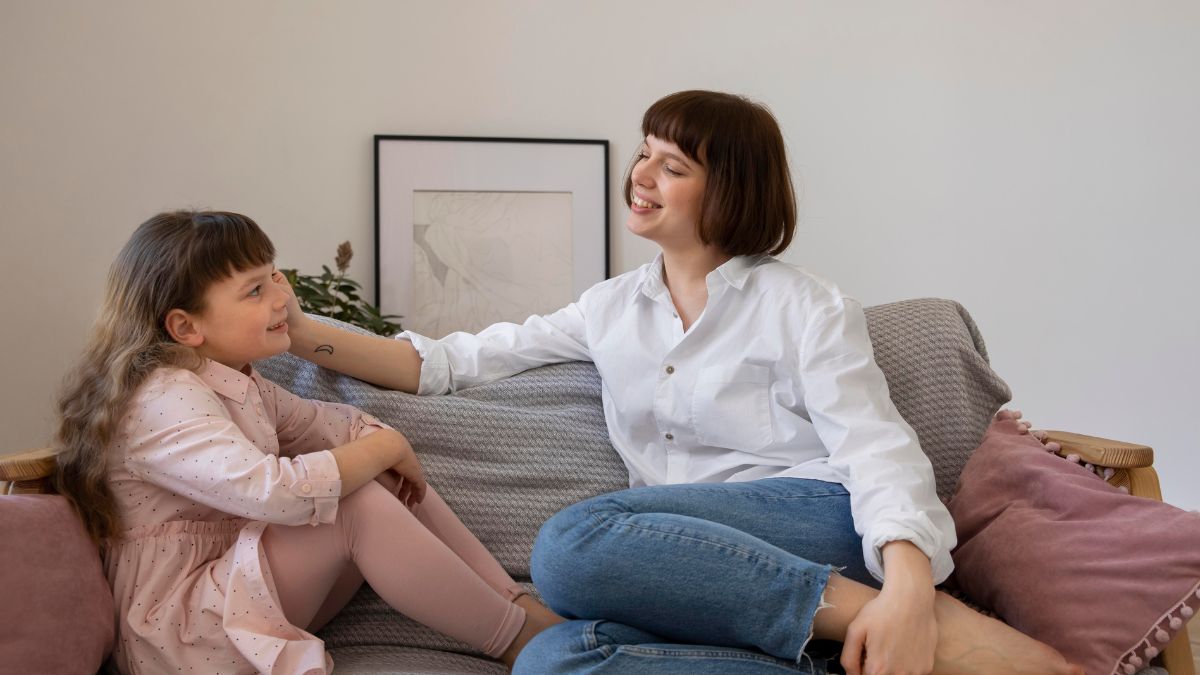
Frequent night waking can be challenging. ABA recommends gradual extinction, also called graduated escape extinction. This method helps children self-soothe without ignoring their needs completely.
How Gradual Extinction Works
Unlike traditional “cry it out,” this method offers comfort while promoting independence. Parents check on the child at increasing intervals.
- Check-In Strategy: On night one, if the child cries after being put to bed, parents check in after 5 minutes, then 10, then 15 minutes. Comfort is brief, a pat or soft reassurance, but the child stays in bed.
- Increasing Intervals: Each night, intervals lengthen (e.g., 7 minutes, 12 minutes, 17 minutes). The child learns crying will not result in prolonged attention, while still feeling safe.
- Consistency is essential. All caregivers must follow the agreed-upon plan. The first nights may be hard, but the system teaches self-soothing skills.
Practical Strategies for a Sleep-Conducive Environment
ABA principles extend beyond behavior. The environment itself can cue sleep. Adjusting sensory input helps children relax and fall asleep.
Optimizing the Bedroom
- Darkness: Blackout curtains reduce light, which can interfere with melatonin. Is your child’s room completely dark?
- Sound: White noise or soft music masks sudden sounds, creating a stable auditory environment.
- Temperature: Cooler rooms, around 65–72°F, promote sleep.
- Clutter Reduction: Bedrooms should be for sleep and calming activities. Remove stimulating toys and electronics.
Using Sensory Tools
- Weighted Blankets: Gentle pressure can reduce anxiety and promote relaxation.
- Soft Textures: Smooth, comfortable bedding minimizes discomfort that may disrupt sleep.
- Scent: Mild aromatherapy, like lavender, may help children relax.
When to Seek Professional Support
ABA sleep training is effective, but some situations require medical or professional guidance. Studies indicate that 50–80% of adults with ASD also report sleep difficulties, showing that these issues may persist without intervention (Shanahan, 2021).
Consult a Medical Professional
A pediatrician or sleep specialist can identify underlying conditions, like sleep apnea or reflux. They can also advise on supplements such as melatonin.
Melatonin Use: Properly timed doses, usually 30–60 minutes before bedtime, may help children fall asleep faster. Medical supervision is critical to ensure safety and effectiveness.
Partner with an ABA Professional
A Board Certified Behavior Analyst (BCBA) can design a customized sleep plan. They can:
- Conduct a functional assessment to identify the cause of sleep issues.
- Develop a structured bedtime routine autism plan.
- Train caregivers in gradual extinction and reinforcement methods.
Addressing sleep problems is vital for overall health. ABA strategies applied consistently improve sleep quality, reduce bedtime struggles, and teach independence.
FAQ: The Great Sleep Debate
1. What if my child wakes up screaming at night?
Ensure safety first. If medical issues are ruled out, treat it like bedtime resistance. A BCBA may recommend brief, consistent check-ins to reassure the child and return them to bed, paired with a token reward for staying in bed.
2. Can I use TV or tablets as part of the bedtime routine?
No. Bright screens stimulate the brain and suppress melatonin. Experts recommend removing screens at least one hour before bedtime.
3. My child is a night owl. Should I adjust bedtime?
Possibly. A “faded bedtime” sets a later initial bedtime to match the child’s natural rhythm. Gradually move bedtime earlier in small increments until the goal time is reached.
4. What is a “bedtime pass,” and does it work?
A bedtime pass is a visual card allowing one free exit from the room for a drink or hug. After that, the child stays in bed. It reduces crying and negotiation while giving a sense of control.
5. My child fears the dark. Should I leave lights on?
Complete darkness is best. If fear is strong, a dim nightlight with a warm color (red or amber) can help. Avoid blue light, as it suppresses melatonin.
Guiding Your Child to Restful Nights
Sleep challenges affect 50–80% of children with autism, often causing stress and disrupting daytime behavior. At Happy Strides ABA, we offer ABA strategies, including bedtime routine autism, ABA sleep training, and techniques for a night waking autistic child, designed to meet each child’s needs. Visual supports, positive reinforcement, gradual extinction, and environmental adjustments help children fall asleep on their own and stay in bed longer.
Families in Colorado have reported noticeable improvements in sleep quality and overall well-being by using these methods consistently. Regular routines also support better behavior, daily functioning, and smoother transitions throughout the day. At Happy Strides ABA, we guide families step by step, helping children build skills to approach bedtime with independence and less struggle. Ready to turn evenings into calmer, more predictable times? Reach out today and start your child’s path to better sleep.




 info@happystridesaba.com
 720-702-0272
 720-798-1080
 Happy Strides ABA CO LLC 100 Fillmore St 5th Floor Denver, CO 80206-4916
