
Autism and Social Rejection: Helping Children Cope With Friendship Challenges
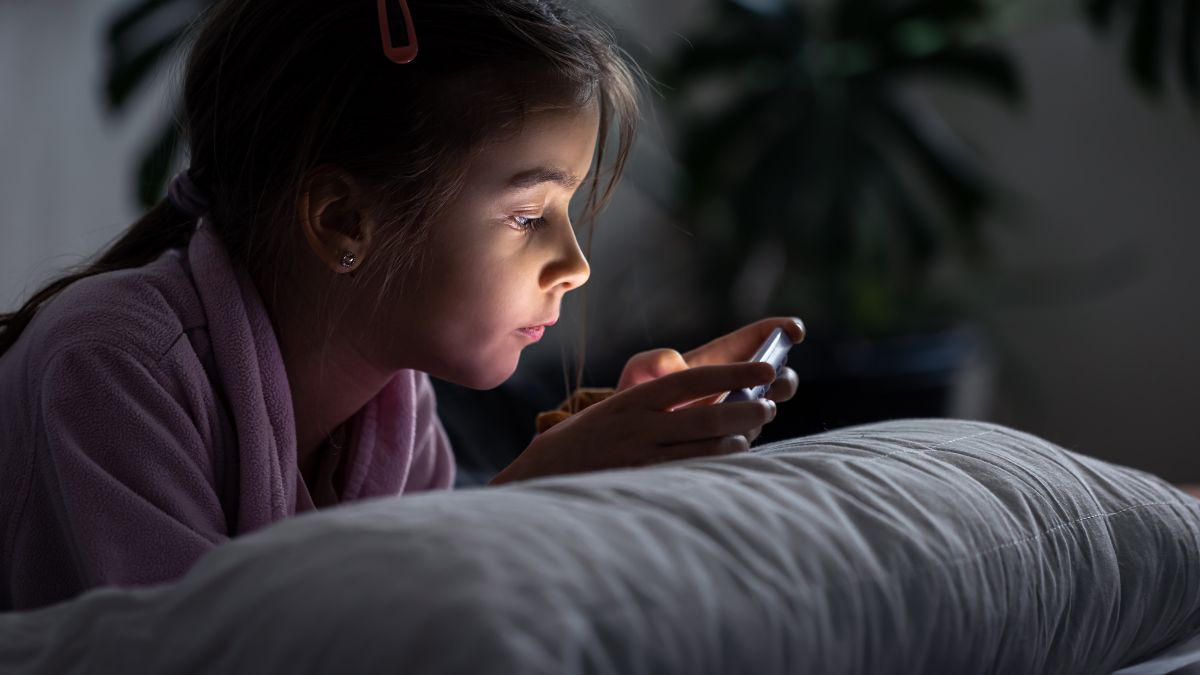
Friendship is an essential part of childhood. Through play, conversation, and shared experiences, children learn how to connect with others, build trust, and feel a sense of belonging. Yet for many autistic children, forming and maintaining friendships can be especially difficult.
Autism and social rejection can be deeply painful, both for children and for the families who love them. Many parents watch their child try to engage with peers, only to be ignored, misunderstood, or excluded. Over time, these experiences can affect a child’s confidence, emotional wellbeing, and willingness to seek out social interaction.
Friendship struggles in autism are not a reflection of a child’s worth or ability to connect. Instead, they often stem from differences in communication, social interpretation, sensory processing, and emotional regulation. With the right support, children can learn to navigate these challenges in ways that build confidence, resilience, and meaningful peer relationships autism.
This is where Applied Behavior Analysis can play a powerful role. ABA social skills training helps children understand social expectations, communicate more effectively, and develop the tools they need to form positive connections with others.
Why Social Rejection Happens
Social rejection can occur for many reasons, but autistic children often face unique barriers that neurotypical peers do not. These may include:
- Difficulty reading social cues
- Challenges with back-and-forth conversation
- Struggles with turn-taking in play
- Sensory sensitivities in noisy environments
- Misunderstandings about humor, sarcasm, or tone
- Preference for structured or solitary activities
Because social rules are often unwritten, many autistic children need explicit guidance rather than relying on observation alone. Without this support, they may unintentionally say or do things that lead to misunderstanding or exclusion.
Over time, repeated experiences of rejection can cause children to withdraw socially, assume they are “not liked,” or avoid social situations altogether. This is why early support is so important.
The Emotional Impact of Social Rejection
Being left out, ignored, or teased can hurt any child. For autistic children, the emotional impact can feel even heavier, especially if they struggle to process or express their feelings.
Some children may become anxious about social situations, while others may respond with anger, sadness, or withdrawal. In some cases, social rejection can contribute to low self-esteem, loneliness, or behavioral challenges.
It is important for families to validate these feelings rather than dismiss them. Saying, “That must have been really hard,” can go a long way in helping a child feel understood and supported.
How ABA Social Skills Training Helps
ABA social skills training focuses on teaching practical, real-life strategies that help children interact more successfully with peers. Rather than assuming children will “figure it out,” ABA provides structured learning opportunities that break down social skills into clear, manageable steps.
Some key areas ABA may address include:
- Starting and maintaining conversations
- Recognizing facial expressions and body language
- Taking turns in games or discussions
- Sharing interests appropriately
- Understanding personal space and boundaries
- Handling disappointment or rejection calmly
Through role-playing, guided practice, and positive reinforcement, children gain confidence in their social abilities. Over time, these skills help them engage more naturally in peer relationships.
Teaching Emotional Coping Skills
Learning how to handle rejection is just as important as learning how to make friends. ABA helps children develop emotional regulation skills so they can cope with difficult social moments in healthier ways.
Children may learn to:
- Identify their emotions using words or visuals
- Take calming breaths when upset
- Seek help from a trusted adult
- Use positive self-talk, such as “I can try again”
- Shift focus to another activity when needed
These tools help children feel more in control of their reactions rather than overwhelmed by them.
Creating Opportunities for Positive Peer Interaction
In addition to teaching skills, ABA often helps families and schools create structured opportunities for successful social experiences. This might include:
- Small group play sessions
- Peer buddy programs
- Supervised playdates
- Cooperative games that encourage teamwork
- Guided social activities with clear rules
When children experience positive interactions, even in structured settings, it strengthens their confidence and motivation to keep trying.
Supporting Parents Through the Journey
Watching a child struggle socially can be heartbreaking for parents. Many families worry about their child being lonely, bullied, or misunderstood.
ABA therapy supports parents by teaching them how to reinforce social skills at home, recognize early signs of social stress, and advocate for their child in school settings. With the right guidance, parents feel more empowered rather than helpless.
This partnership between therapists and families creates consistency, which is key to helping children generalize their skills across different environments.
Building Resilience and Confidence
While social rejection may still happen at times, the goal is not to eliminate all challenges. Instead, the focus is on helping children develop resilience, self-awareness, and confidence.
With strong ABA social skills training, autistic children learn that one difficult interaction does not define them. They gain the tools to try again, communicate their needs, and seek out friendships that are supportive and meaningful.
Over time, many children build genuine connections that celebrate their strengths rather than highlighting their differences.
Moving Forward With Hope
Autism social rejection does not have to determine a child’s social future. With patience, understanding, and the right support, children can learn to navigate friendship struggles and build fulfilling relationships.
ABA social skills training offers a compassionate, evidence-based way to help children grow socially while honoring their individuality. Every child deserves the chance to feel included, valued, and connected.
If your child is facing challenges with peer relationships autism, you do not have to navigate this alone. Happy Strides ABA is here to support your family every step of the way.
Visit https://happystridesaba.com/ today or contact our team to learn how personalized ABA therapy can help your child develop confidence, communication skills, and meaningful friendships.


 info@happystridesaba.com
 720-702-0272
 720-798-1080
 Happy Strides ABA CO LLC 100 Fillmore St 5th Floor Denver, CO 80206-4916
