

November 12, 2025
How ABA Supports Self-Care Skills for Autistic People
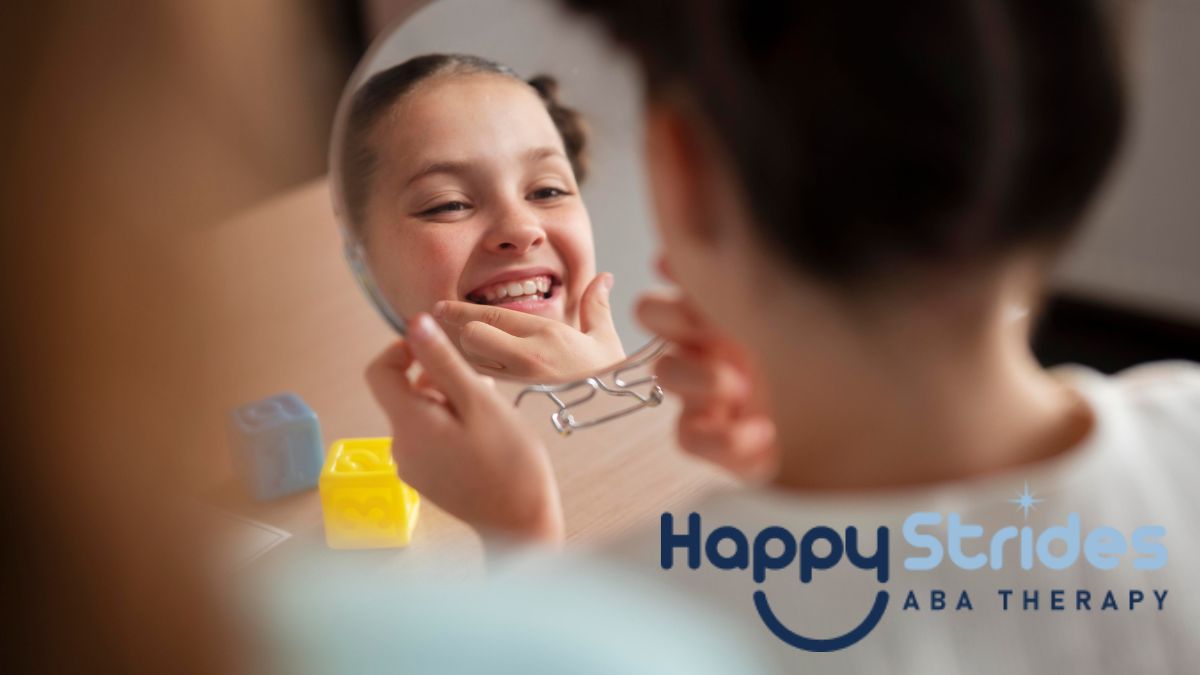
Self-care doesn’t have to be overwhelming. With the right support, daily life becomes manageable, fun, and empowering. Applied Behavior Analysis (ABA) therapy gives autistic individuals step-by-step tools to build confidence and independence. From brushing teeth to organizing routines, ABA turns everyday tasks into achievable goals. The method values progress over perfection, making autism self help practical and rewarding. Through simple strategies, positive reinforcement, and steady practice, learners gain skills to care for themselves and thrive across settings. Ready to see how ABA makes self-care easier to learn and sustain? Let’s explore how structure and support create lasting growth for autistic individuals.
Self-Management Strategies ABA
Self-management strategies in ABA focus on empowering autistic individuals to monitor and regulate their own behavior. These strategies allow learners to gradually reduce reliance on prompts and support, increasing autonomy. Common approaches include:
- Goal Setting: Individuals set achievable, measurable goals for daily routines.
- Self-Monitoring: Keeping track of completed tasks or behaviors fosters awareness.
- Self-Reinforcement: Rewarding oneself for accomplishing steps strengthens motivation.
Research shows that self-management strategies enhance functional independence in children with ASD. For example, according to Koegel et al. (2010), students using self-monitoring achieved faster mastery of hygiene routines compared to those without structured strategies. By embedding these strategies into everyday activities, ABA helps learners gain ownership of their progress and maintain self-care routines consistently.
Autistic Self-Care
Autistic self-care involves routines that help individuals maintain wellbeing. ABA techniques are particularly effective because they simplify complex behaviors into stepwise tasks. Key components include:
- Personal Hygiene: Brushing teeth, washing hands, bathing, hair care.
- Grooming: Nail care, hair brushing, shaving where appropriate.
- Emotional Regulation: Recognizing feelings, practicing coping strategies.
For instance, a child struggling with brushing teeth might first learn to pick up the toothbrush, then apply toothpaste, brush each section, and rinse.
Positive reinforcement at each step helps the child connect success with reward. Research shows this approach can greatly improve independence in personal care tasks within a few months of steady practice. Furthermore, visual supports such as charts or picture schedules are especially helpful for guiding routines and easing anxiety during self-care activities.
Checklist Autism
A life skills checklist autism helps track progress in various self-care domains. Using a structured list ensures consistency and allows both therapists and individuals to monitor growth. Typical items on a checklist might include:
| Skill Area | Task Examples | Progress Indicator |
| Hygiene | Brushing teeth, washing hands | Independent, needs minimal prompting |
| Dressing | Putting on clothes, fastening buttons | Can complete sequentially without help |
| Feeding | Preparing simple snacks, using utensils | Performs tasks safely and independently |
| Household Chores | Laundry, tidying room | Completes steps with guidance faded |
| Safety | Crossing streets, following fire drill | Demonstrates awareness consistently |
Checklists offer tangible milestones. According to Smith et al. (2014), children who regularly use structured checklists show greater retention of skills and improved ability to generalize tasks to new environments. By visually tracking achievements, autistic individuals gain clarity about what they can do, which encourages ongoing practice.

High-Functioning Autism Self-Care
High-functioning autism self-care focuses on promoting independence in individuals with stronger cognitive skills but who still face challenges in daily living tasks. ABA supports skill-building in areas like:
- Meal Preparation: Cooking simple meals, cleaning up after eating.
- Time Management: Establishing daily routines for school, chores, and leisure.
- Social Routines: Greeting others, asking for help appropriately.
Research shows that teenagers with high-functioning autism who participate in ABA-based self-care programs can greatly improve their ability to manage personal schedules and hygiene routines over time. Learned skills in ABA carry over across home, school, and community settings.
Implementing ABA Techniques in Daily Life
ABA therapy incorporates structured methods to teach self-care skills effectively. Techniques include:
- Task Analysis: Breaking complex tasks into manageable steps.
- Discrete Trial Training (DTT): Teaching one step at a time with reinforcement.
- Modeling & Video Modeling: Demonstrating tasks for learners to imitate.
- Prompting & Fading: Starting with assistance, gradually removing support.
- Positive Reinforcement: Rewarding successes to encourage repetition.
For example, toilet training may involve stepwise guidance: walking to the bathroom, closing the door, undressing, sitting on the toilet, wiping, flushing, washing hands. Positive reinforcement at each stage increases likelihood of independent performance.
Practical Strategies for Daily Independence
ABA emphasizes using strategies that promote autonomy while keeping routines consistent:
- Visual Supports: Charts, picture schedules, and timers help structure daily tasks.
- Gradual Introduction: Introducing new routines slowly reduces sensory overload.
- Reinforcement: Celebrating small successes motivates continued participation.
- Environment Structuring: Organizing spaces to minimize distractions supports focus.
By consistently applying these strategies, autistic individuals build a pattern of self-care that feels achievable, rewarding, and routine.
Research and Evidence
Evidence strongly supports ABA’s effectiveness in teaching self-care skills.
- Leaf et al. (2012) found that structured ABA interventions significantly improved personal hygiene, dressing, and feeding skills.
- Koegel et al. (2010) demonstrated that self-management strategies accelerate mastery of daily routines.
These findings highlight that structured behavioral strategies, reinforcement, and stepwise learning contribute to meaningful skill acquisition and independence.
Integrating Self-Care Across Settings
At Home: Creating a Supportive Environment
- Use the same strategies at home as in therapy to support skill generalization.
- Positive reinforcement: Identify what motivates your child (verbal praise, favorite toy, small treat). Reward them for expressing emotions appropriately instead of outbursts.
- Task analysis: Break routines like getting dressed or homework into small, achievable steps.
- Consistency: Maintain steady routines to reduce anxiety and set clear expectations.
- Minimize distractions: Create quiet, organized spaces to improve focus and learning.
In School: Collaborating with Educators
- Communicate openly with teachers about your child’s behavior, preferences, and what works at home.
- Positive reinforcement: Teachers can mirror home strategies. Example: praise a child for raising their hand instead of calling out.
- Generalization: Encourage varied group activities so children can practice skills with different peers.
- Collaborative planning: Hold regular meetings between parents, educators, and therapists to track progress and adjust goals.
In the Community: Navigating Social Situations
- Prepare children through role-playing and modeling behaviors at home.
- Reward successful social interactions to reinforce positive behavior.
- Gradually introduce new settings like parks or events to build comfort and resilience.
- Proactive approach: Discuss potential challenges and provide coping strategies for anxiety or overstimulation.
- Encourage participation in inclusive activities and collaborate with organizations to create supportive spaces.
Integrating ABA strategies across home, school, and community helps children develop self-care skills, social confidence, and independence, one step at a time.
Long-Term Benefits
The benefits of ABA for self-care extend beyond immediate task mastery:
- Increased independence in daily routines.
- Enhanced problem-solving and self-regulation skills.
- Greater ability to manage personal needs without constant assistance.
Even small gains, like independent handwashing or dressing, foster self-sufficiency and contribute to meaningful participation in daily life. Over time, consistent ABA intervention builds a foundation for managing more complex life tasks, setting individuals on a trajectory toward long-term functional independence.
FAQ: ABA and Self-Care Skills for Autism
1. Can ABA help with emotional self-care in autistic individuals?
Yes! ABA can incorporate strategies like self-monitoring and goal-setting to help manage emotions, supporting overall well-being.
2. How long does it take to see progress in self-care skills using ABA?
While progress varies, consistent and structured intervention often leads to noticeable improvements within six to twelve months.
3. Are visual supports essential for ABA-based self-care training?
Absolutely. Visual schedules and charts reduce anxiety, provide clear instructions, and enhance understanding of routines.
4. Can adolescents benefit from ABA in self-care, not just young children?
Yes. High-functioning adolescents can improve meal prep, grooming, and independent scheduling through ABA strategies.
5. How are self-management strategies taught in ABA applied to real-life situations?
Learners practice setting goals, tracking tasks, and rewarding progress, which translates into daily independence at home, school, and community settings.
Supporting Daily Success with ABA Strategies
Consistent ABA therapy helps autistic individuals develop essential skills for daily life, boosting independence and personal growth. Structured approaches like task analysis, reinforcement, and self-management strategies at Happy Strides ABA give learners the tools to manage routines effectively. If you’re ready to take the next step toward independence, reach out to us at Happy Strides ABA to see how our tailored approach can support your journey in Colorado.
Combined with looking after your autistic self techniques and progress-tracking checklists, ABA empowers individuals to practice life skills confidently and autonomously. These strategies are particularly helpful for high-functioning autism self-care, giving learners the confidence to handle daily routines with minimal support. With ongoing guidance and consistent practice, ABA builds a strong foundation for mastering everyday self-care and achieving meaningful participation in life.





 info@happystridesaba.com
 720-702-0272
 720-798-1080
 Happy Strides ABA CO LLC 100 Fillmore St 5th Floor Denver, CO 80206-4916
